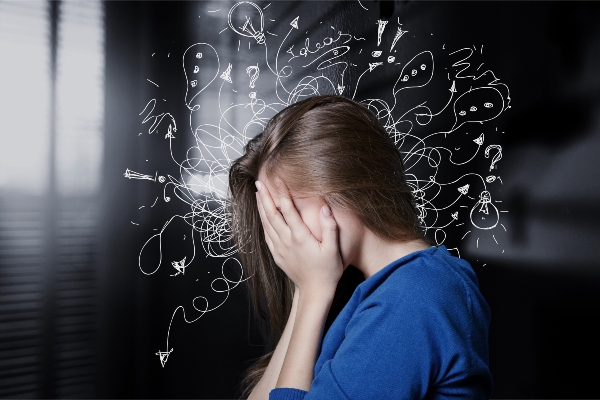
Anxiety disorders are among the most prevalent mental health conditions, affecting millions worldwide. These disorders can significantly impact an individual's daily life, causing excessive worry, fear, and distress. Fortunately, various effective treatment options are available. Here are three common psychiatric interventions that play a significant role in managing and alleviating symptoms of anxiety disorders.
Psychotherapy
Psychotherapy, or talk therapy, is a commonly used psychiatric treatment for anxiety disorders. A psychiatrist uses this method by working with the client to explore the underlying causes of their anxiety and develop healthy and productive coping strategies. The psychiatrist can use different types of psychotherapy to effectively treat anxiety disorders.
Cognitive behavioral therapy (CBT)
Cognitive behavioral therapy (CBT) is one of the most common types of psychotherapy used to treat anxiety disorders. CBT focuses on identifying and challenging negative thought patterns and beliefs that can contribute to anxiety. Through CBT, clients with anxiety learn new ways to think and behave, allowing them to better manage their symptoms.
Exposure therapy
As part of exposure therapy, a client deals with the fears that lie behind their anxiety disorder. It involves gradually exposing individuals to the situations, objects, or activities that trigger their anxiety. This exposure helps them build tolerance and reduce fear responses.
Acceptance and commitment therapy (ACT)
Acceptance and commitment therapy is an action-oriented psychotherapy that helps clients to stop avoiding or struggling with their emotions. Instead, ACT allows them to accept these deeper feelings as appropriate responses to specific situations and to move on from them. This knowledge will empower clients to end their struggle with anxiety-related discomfort and take actions that will move them forward toward their life goals.
Pharmacotherapy
Pharmacotherapy, or pharmaceutical drug treatment, is another common psychiatric treatment for anxiety disorders. While these medications do not cure the underlying condition, they can effectively reduce symptoms and improve overall functioning. Psychiatrists are specialized medical doctors who can prescribe and monitor psychiatric medications. Commonly prescribed medications for anxiety disorders include:
- Selective serotonin reuptake inhibitors (SSRIs): SSRIs are an antidepressant that can help regulate serotonin levels in the brain. They are often used to treat generalized anxiety, panic, and social anxiety disorders.
- Benzodiazepines: Benzodiazepines are fast-acting medications that temporarily relieve anxiety symptoms. However, psychiatrists often prescribe them for short-term use due to the risk of dependence and other potential side effects.
- Buspirone: Buspirone is an anti-anxiety medication that affects serotonin and dopamine receptors. It is commonly prescribed for generalized anxiety disorder.
It is important to note that medication should be prescribed and monitored by a psychiatrist or other qualified medical professional. They can assess a client's specific needs and determine the most suitable medication, dosage, and duration of treatment.
Mindfulness and relaxation techniques
While psychiatrists often use psychotherapy and pharmacotherapy to address anxiety disorders, they may also recommend that clients include mindfulness and relaxation techniques in their treatment plans. These techniques can help clients develop self-awareness, reduce stress, and manage anxiety symptoms. Some of these techniques include:
- Mindfulness: Mindfulness is a practice that involves focusing attention on the present moment and accepting thoughts and feelings without judgment. This practice can help improve emotional regulation and reduce anxiety symptoms.
- Deep breathing exercises: Deep breathing exercises, such as diaphragmatic or box breathing, help activate the body’s natural relaxation response. They can be particularly useful during moments of heightened anxiety.
- Progressive muscle relaxation: This relaxation technique is where one purposefully tenses and relaxes different muscle groups, promoting physical and mental relaxation.
When incorporated into a comprehensive treatment plan, mindfulness and relaxation techniques can complement other psychiatric interventions and give clients the everyday tools they need to manage their anxiety.
Conclusion
Psychiatric treatment can effectively address and treat anxiety disorders. Each person's treatment plan is tailored to their specific needs. It is important to consult a psychiatrist to determine the most appropriate course of action. Call our office today to schedule a consultation.
Request an appointment or call Future Psych Ketamine Clinics at 843-788-9718 for an appointment in our Myrtle Beach office.
Related Posts
An anxiety disorder is not something to try and tough out, but a serious mental health condition that needs treatment from a healthcare professional. Experiencing constant anxiety takes its toll on a person’s job, family life, and health. Therefore if you are experiencing daily anxiety that is interfering with your relationships and day-to-day life, you…
Treating an anxiety disorder starts with getting the right diagnosis. However, diagnosing these disorders can be challenging. Therefore, it is crucial to see a professional with the tools and experience needed to identify anxiety disorders and aid people in getting the help they need.A psychiatrist is a mental health professional and a medical doctor. They…
Anxiety disorders and depression are two of the most prevalent mental health conditions worldwide. While they are distinct diagnoses, research has shown a strong yet complex link between them, often co-occurring in individuals. Understanding the relationship between anxiety disorder and depression is crucial for effective diagnosis.Anxiety disorder is a blanket term for the many different…