How Telemedicine Can Enhance Psychiatric Treatment
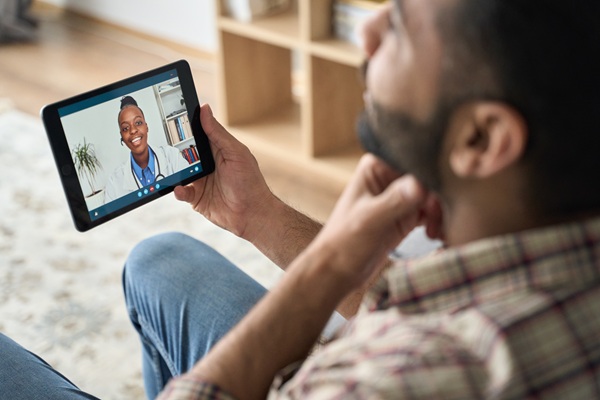
Telemedicine is a critical tool in delivering mental health care. With the growing demand for accessible, prompt psychiatric services, telemedicine offers a practical and effective alternative to traditional in-person visits. This approach to psychiatric care improves access while fostering continuity of care for individuals dealing with a variety of mental health conditions.
The benefits of using telemedicine in psychiatric care
Making psychiatric care more accessible
One of the most significant benefits of telemedicine in psychiatric treatment is its ability to expand access. Geographic barriers prevent individuals in rural or underserved areas from receiving consistent mental health care. With telemedicine, psychiatric professionals can provide care remotely, ensuring that patients who live far from mental health offices and facilities still receive the consultations, diagnoses, and treatment plans they need.
Additionally, individuals with mobility challenges or limited access to reliable transportation benefit from virtual visits. This flexibility encourages more frequent patient participation with treatment. When patients are engaged in their mental health care, it can improve their ability to manage their chronic mental health conditions, such as depression, anxiety, and bipolar disorder.
Reducing stigma around mental health care and improving patient comfort
Despite mental health care making great gains in mainstream culture, there is still a lot of stigma around seeking psychiatric treatment. Telemedicine can reduce the effects of this stigma by allowing individuals to attend sessions from the privacy and comfort of their own homes. This privacy can be especially valuable for those hesitant to be seen entering a psychiatric office. It can also help those who feel uneasy discussing sensitive issues in unfamiliar environments.
By providing a comfortable and non-threatening setting, telemedicine helps foster open communication between patients and providers. This emphasis on patient comfort can result in greater honesty during sessions. As a result, the psychiatrist can make more accurate diagnoses and recommend effective treatment.
Improving continuity and coordination of care
Telemedicine supports continuity of care, which is a critical part of psychiatric treatment. Mental health progress depends on consistent follow-up appointments and ongoing care. Virtual platforms make it easier for patients to schedule and attend regular appointments. It reduces the risk of treatment gaps caused by travel delays, scheduling conflicts, or inclement weather.
In addition, telemedicine facilitates better coordination between primary care providers and other mental health professionals. Shared digital records and virtual consultations allow for quicker communication and more comprehensive care plans. This integrated approach is particularly helpful for individuals with co-occurring medical and psychiatric conditions, who require coordinated management from multiple healthcare providers.
Supporting crisis intervention and monitoring
Psychiatric crises can arise unexpectedly, and rapid intervention is often necessary to prevent harm or deterioration. Telemedicine enables faster response times by allowing immediate access to mental health professionals during emergencies. Whether through scheduled virtual appointments or on-demand services, psychiatric support can be delivered without delay.
Moreover, ongoing monitoring becomes more manageable with telemedicine. For patients undergoing medication management or behavioral therapy, remote check-ins can help providers assess progress, adjust dosages, and respond to side effects or emerging symptoms promptly. This level of responsiveness is vital in preventing relapses and improving overall treatment outcomes.
Improves specialized and multidisciplinary care
Telemedicine also broadens the availability of specialized psychiatric services. In areas where certain specialties, such as child psychiatry, geriatric psychiatry, or substance use treatment, are lacking, telemedicine bridges the gap by connecting patients with qualified professionals in other parts of their state..This access to specialized care ensures that treatment is tailored to the patient's needs rather than limited by geographic constraints.
Possible limitations and ethical considerations
While telemedicine offers numerous benefits, it is not without limitations. Certain psychiatric evaluations may require in-person observation, particularly when assessing the patient's body language, physical symptoms, or complex behaviors. Additionally, technological barriers, such as a lack of internet access or limited digital literacy, can hinder the effectiveness of virtual care for some demographics.
Additionally, privacy and data security are essential concerns. Telemedicine psychiatric providers must follow strict confidentiality standards to protect sensitive patient information. Both psychiatrists and patients need to use secure, encrypted platforms that adhere to HIPAA rules. This extra layer of security helps build trust while protecting mental health records.
Learn more about psychiatric treatment and telemedicine
Telemedicine in psychiatric medicine expands accessibility while improving patient comfort and continuity of care. As technology continues to advance, telemedicine will continue to play a greater role in psychiatric care. Are you curious about Future Psych Ketamine Clinics's telemedicine services? Call our Myrtle Beach office to schedule a consultation.
Request an appointment here: https://mb.futurepsychsolutions.com or call Future Psych Ketamine Clinics at (843) 788-9718 for an appointment in our Myrtle Beach office.
Check out what others are saying about our services on Yelp: Telemedicine in Myrtle Beach, SC.
Related Posts
Psychotherapy and medication can be combined for mental health treatment, and this combination is often more effective than medication or therapy on its own. Mental health treatment often involves a combination of medication and therapy, and this combination is often the most effective form of treatment.Although many people think that psychotherapy and psychiatry are the…
The idea of seeing a psychiatrist may seem overwhelming for someone just starting their mental health journey. However, seeing a psychiatrist will help you clarify the possibility of diagnosing various conditions--including schizophrenia.Schizophrenia is a severe mental health disorder that affects a person’s perception of reality. Although it is a rare condition, it may impair daily…
Mental health therapy can help you if you are struggling with a mental health problem. A psychiatrist can help evaluate your case and determine which treatments you can have. If you want to know some common reasons for undergoing mental health therapy, here are the details.Life changes can be dramatic. The stress can be overwhelming…
Modern psychedelic therapy can offer a new path for patients who feel stuck in a mental rut. It can be frustrating to keep feeling disconnected, emotionally flat, or unable to make progress despite going to therapy, trying medication, and making a strong personal effort. In a psychiatric setting, this treatment enters the conversation carefully, with…