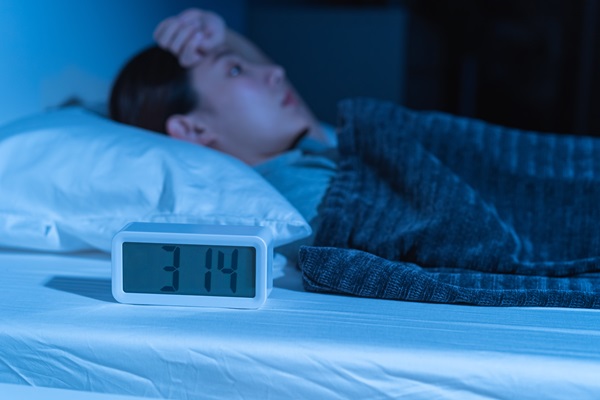
Some anxiety is normal and even necessary, but when it is out of control and interfering with your daily life, it could be an anxiety disorder. These are serious mental health conditions that require treatment from a mental health professional like a psychiatrist. Here is a closer look at these conditions and signs it may be time to seek help.
Symptoms of anxiety disorders
Anxiety disorders refer to a group of mental health conditions characterized by frequent, excessive, and persistent worry or fear that is out of proportion to one's circumstances. Symptoms of anxiety disorder can vary by type and the patient. However, the following symptoms are common in almost all anxiety disorders:
- Persistent fear and worry
- Sense of impending doom
- Trouble concentrating
- Sleep disturbances
- Fatigue
- Tension and feeling on edge
It is not uncommon for those with an anxiety disorder to be aware their feelings are unwarranted, but they still do not seem to be able to control them.
Types of anxiety disorders
There is more than just one type of anxiety disorder. These disorders can be general or related to a specific thing or situation, but the following are some of the most common anxiety disorders.
Generalized anxiety disorder (GAD)
A person with GAD experiences constant and excessive fear and worry that interferes with their daily life. Anxiety permeates every aspect of their life, from health and family to job responsibilities. A person with GAD may have a constant undercurrent of anxiety coupled with physical systems of being on edge, restlessness, and fatigue.
Panic disorder
The key features of this anxiety disorder are recurrent panic attacks—sudden episodes of severe physical and psychological distress. During a panic attack, several symptoms suddenly occur at once, including heart palpitations, sweating, shaking, and fear of losing control. Panic attacks can be severe and debilitating.
Phobia-related disorders
A phobia-related disorder is an excessive and irrational fear of a place, thing, or situation that is usually not considered a danger. Typically, the patient is aware that the fear is irrational but unable to control it. Someone with a phobia-related disorder may be so obsessed with the source of their fear that avoiding it severely impacts their life.
Social anxiety disorder
Also known as social phobia, this anxiety disorder is characterized by fear and avoidance of social situations. People with this disorder either avoid social interaction or have extreme anxiety during them, fearing they will be judged, humiliated, or rejected by people. This social phobia can be so extreme it causes problems with daily functioning.
Key signs of anxiety disorder
Anxiety can sometimes be perfectly normal, especially in response to an actual danger. However, usually, it is in proportion to an actual danger or stressor and subsides after the situation has passed. So, how does one distinguish normal anxiety from a disorder? Here are some key signs an individual may be dealing with an anxiety disorder:
- The fear or anxiety is out of proportion to current life circumstances
- Knowing the fear is irrational, but one cannot seem to control it
- The fear or anxiety impairs day-to-day functioning
- Planning one's life around one's fear and anxiety
- The anxiety is affecting their physical health and relationships
- Drug and alcohol abuse to cope with the anxiety
If any of these statements apply, it is important to seek professional help. Untreated anxiety disorders can threaten one's well-being and ability to function and lead to substance abuse issues and other emotional and physical health problems.
Seeing a psychiatrist
The only way to know for sure if one is living with an anxiety disorder is to be evaluated by a mental health professional. A psychiatrist is a medical doctor who specializes in the diagnosis and treatment of mental health issues. In addition to interviewing the patient about their symptoms and physical and mental health history in detail, they may also perform a physical exam and order diagnostic tests. This allows them to rule out any physical causes of the symptoms and make sure the symptoms are not related to any substance misuse.
Potential treatment options
A psychiatrist can identify the type of anxiety disorder and recommend a course of treatment. The most successful anxiety disorder treatment is often a combination of medication and therapy. Medications may include antidepressants or antianxiety medications. These medicines may be combined with a form of psychotherapy, such as exposure therapy or cognitive-behavioral therapy (CBT).
Do not let anxiety take over your life
If you feel your anxiety is out of control, seek the help of a mental health provider. Anxiety disorders do not usually get better without treatment and can even continue to worsen. Do not allow anxiety to derail your life. Call our team today.
Request an appointment here: https://mb.futurepsychsolutions.com or call Future Psych Ketamine Clinics at (843) 788-9718 for an appointment in our Myrtle Beach office.
Check out what others are saying about our services on Yelp: Anxiety Disorder in Myrtle Beach, SC.
Related Posts
The idea of seeing a psychiatrist may seem overwhelming for someone just starting their mental health journey. However, seeing a psychiatrist will help you clarify the possibility of diagnosing various conditions--including schizophrenia.Schizophrenia is a severe mental health disorder that affects a person’s perception of reality. Although it is a rare condition, it may impair daily…
Mental health therapy can help you if you are struggling with a mental health problem. A psychiatrist can help evaluate your case and determine which treatments you can have. If you want to know some common reasons for undergoing mental health therapy, here are the details.Life changes can be dramatic. The stress can be overwhelming…
Modern psychedelic therapy can offer a new path for patients who feel stuck in a mental rut. It can be frustrating to keep feeling disconnected, emotionally flat, or unable to make progress despite going to therapy, trying medication, and making a strong personal effort. In a psychiatric setting, this treatment enters the conversation carefully, with…
The mental health process of overcoming grief and loss is different for each person. Read on to learn more about the grieving process. Sadness can reach severe levels during grieving. Guilt and anger can even accompany this feeling. The toll of a great loss is huge. Understanding it can make your recovery easier.Feelings that occur…