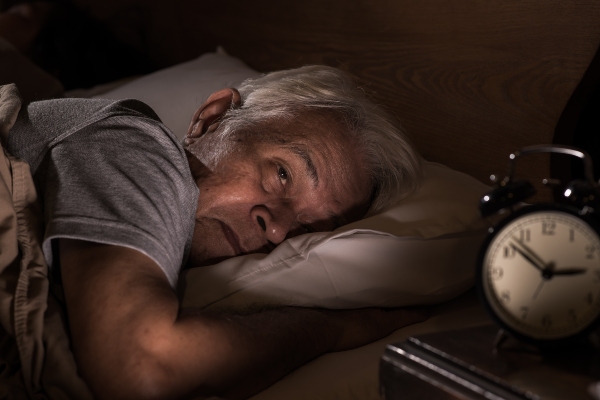
Anyone with insomnia or depression might need depression treatment. Depression and insomnia are two common mental health problems that often go hand in hand. Unfortunately, while many treatment options are available for depression, some people also struggle with chronic insomnia. This can make finding the right treatment plan difficult.
One option sometimes used to treat both depression and insomnia is an SSRI (selective serotonin reuptake inhibitor). SSRIs are an antidepressant that can also be effective for treating insomnia.
SSRIs are a type of antidepressant medication. They work by increasing serotonin levels in the brain, which can help improve mood and relieve symptoms of depression. SSRIs are generally considered safe and effective, with a low risk of severe side effects. However, they can cause mild side effects, such as nausea, headache, and decreased sex drive. SSRIs are also not recommended for people with certain medical conditions, such as bipolar disorder or psychosis. Talk to a psychiatrist about the potential risks and benefits if you are considering an SSRI as part of your treatment plan.
How psychiatrists use SSRIs for depression treatment
There are a few different ways that an SSRI can help with depression and insomnia. For depression, SSRIs work by increasing levels of serotonin in the brain. This helps to balance mood and improve symptoms of depression. For insomnia, SSRIs can help by making it easier to fall and stay asleep.
SSRIs are usually taken once a day, in the morning or evening. They can take a few weeks to start working. Side effects may include nausea, diarrhea, dry mouth, headache, and sexual problems.
Other treatment options for depression and insomnia
Other treatment options are available if you are struggling with depression and insomnia. Some people may need to take multiple medications to manage both conditions. Other treatment options include therapy, lifestyle changes, and natural remedies.
1. Psychotherapy
Psychotherapy, or "talk therapy," can effectively treat depression and insomnia. This therapy can help you identify and work through the thoughts and emotions contributing to your depression and insomnia. It can also help you develop healthy coping mechanisms.
2. Lifestyle changes
Making some lifestyle changes can also help to improve depression and insomnia. Regular exercise, eating a healthy diet, and getting enough sleep can all help to improve your mood and promote better sleep. Avoiding alcohol and drugs can also help to reduce symptoms of depression and insomnia.
3. Natural remedies
Some natural remedies may help with depression and insomnia. For example, some people find that supplements, such as omega-3 fatty acids, magnesium, or vitamin D, can help improve their symptoms. Others find that using natural sleep aids, such as chamomile tea or lavender oil, can help them to get a better night's sleep.
4. Transcranial magnetic stimulation
Transcranial magnetic stimulation (TMS) is a newer treatment option for depression and insomnia. TMS involves using magnets to stimulate the brain. TMS can help to improve symptoms of depression and insomnia.
We can help with depression and other mental health issues
Call or visit our Myrtle Beach clinic to learn more about how our psychiatrist helps patients to put depression behind them.
Here's how to reach us...
Request an appointment or call Future Psych Ketamine Clinics at 843-788-9718 for an appointment in our Myrtle Beach office.
Related Posts
Medication management can help people who take psychiatric medications understand how well treatment is working and whether adjustments could improve their symptoms. Mental health needs can change over time, and the medication that worked well six months ago may not always remain the best fit. A psychiatrist can monitor symptoms, side effects, dosage, and overall…
Telehealth can make psychiatric care more accessible, especially for patients who find it hard to leave the house or simply have a busy schedule. This virtual care allows a psychiatrist to conveniently evaluate symptoms, review treatment history, and discuss new options for treatment-resistant depression, attention-deficit/hyperactivity disorder, and other mental health concerns. With a little preparation,…
Online therapy can improve access to mental health care when work, scheduling, or local provider shortages interfere with consistent treatment. A psychiatrist may recommend virtual therapy to support symptom relief, strengthen coping skills, and maintain continuity between appointments. Many concerns respond well to structured, evidence-based psychotherapy delivered through secure video platforms. The best recommendation considers…