Nasal Ketamine Treatment for Post-Traumatic Stress Disorder
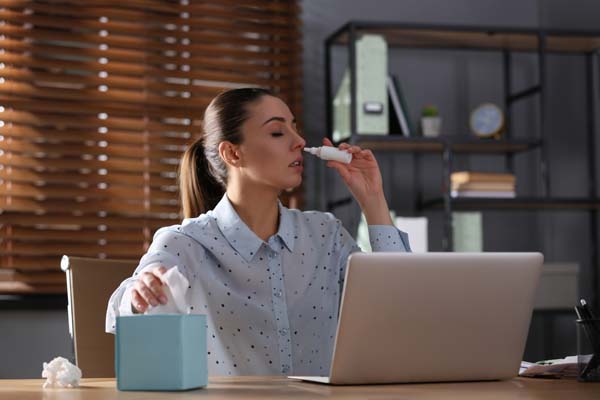
If you have post-traumatic stress disorder (PTSD), then nasal ketamine treatment may be an option for you. This is a spray that is administered through the nose. To understand more about this new treatment, it is a good idea to first understand more about PTSD. Keep reading to learn more.
What is PTSD?
PTSD is a psychiatric disorder. Anyone who has been involved in a traumatic situation can suffer from PTSD. The condition can happen not only to veterans because they have experienced combat, but also to anyone who has been through a natural disaster or personal assault. People who have this disorder often have disturbing or intense feelings and thoughts.
These thoughts are related to the traumatic experience they have had. People may have flashbacks to the event, or they might feel anger, fear or sadness. People might feel distanced from other individuals, even family members and close friends. Sometimes, even a loud noise or an accidental touch can cause negative feelings for people with PTSD.
To get a diagnosis of PTSD, a patient will have needed to have been exposed to trauma. However, this can also be indirect exposure too. For example, an individual can develop PTSD after learning about a close family member’s violent death. Repeated exposure to trauma can also cause the disorder. This includes police officers who are exposed to child abuse cases.
Getting nasal ketamine treatment
Nasal ketamine treatment is often used to treat depression. Psychiatrists have used nasal ketamine as an anesthetic in the past. Patients who did not have any success with other treatments also received nasal ketamine. However, it must be given in a medical setting.
This treatment can sometimes cause hallucinations and dissociative feelings. This means that a medical professional must monitor the patient at all times. Because it is administered through the nose, the drug can act very quickly. Many patients, however, will notice an improvement in symptoms. The relief can last for several days or longer after nasal ketamine treatment.
How nasal ketamine works
A doctor will need to give a patient a prescription for nasal ketamine treatment. Then the patient will still need to go to the psychiatrist’s office about one or two times a week. The patient will receive nasal ketamine during the appointment. After this medication has been given to the patient, the psychiatrist will need to monitor the patient.
This will be for about two hours. After receiving nasal ketamine treatment, patients will need to avoid physical and mental activity that day. Having someone drive them home is a good idea. Patients should spend the day resting after treatment.
Visit a psychiatrist for nasal ketamine treatment
Nasal ketamine treatment can work well when it comes to treating PTSD. The nasal ketamine will get into your system quickly after it has been administered. However, your doctor will need to approve you before you can take it. Making an appointment with your doctor today can help you choose the right treatment for PTSD.
Get more information about Future Psych Ketamine Clinics in Myrtle Beach at https://mb.futurepsychsolutions.com.
Check out what others are saying about our services on Yelp: Nasal Ketamine Treatment in Myrtle Beach, SC.
Related Posts
Mental health therapy can help you if you are struggling with a mental health problem. A psychiatrist can help evaluate your case and determine which treatments you can have. If you want to know some common reasons for undergoing mental health therapy, here are the details.Life changes can be dramatic. The stress can be overwhelming…
Modern psychedelic therapy can offer a new path for patients who feel stuck in a mental rut. It can be frustrating to keep feeling disconnected, emotionally flat, or unable to make progress despite going to therapy, trying medication, and making a strong personal effort. In a psychiatric setting, this treatment enters the conversation carefully, with…
The mental health process of overcoming grief and loss is different for each person. Read on to learn more about the grieving process. Sadness can reach severe levels during grieving. Guilt and anger can even accompany this feeling. The toll of a great loss is huge. Understanding it can make your recovery easier.Feelings that occur…
Spravato treatment can offer another path for adults whose depression has not improved enough with traditional antidepressants. Spravato, the brand name for esketamine nasal spray, works differently from many standard depression medications and requires treatment in a certified healthcare setting. The treatment offers meaningful advantages but also comes with time, safety, and side-effect considerations. Understanding…