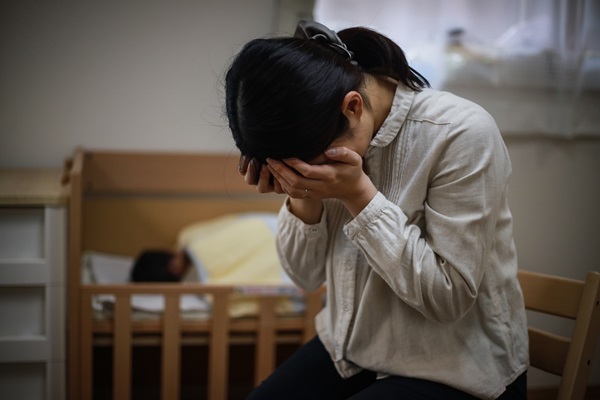
Postpartum depression is not uncommon among new parents. Fortunately, a psychiatrist can help patients manage their symptoms during all the changes that come with having a baby. Knowing where to seek help and support can make your recovery easier and smoother.
What is postpartum depression?
Postpartum depression is a mental disorder that can arise after childbirth. It is not to be mistaken with the baby blues, a temporary condition marked by crying spells, mood swings, and irritability. According to the Mayo Clinic, baby blues typically start a few days after birth and go away on their own within two weeks. On the other hand, postpartum depression can begin anywhere from a few weeks to a year after birth and last for months or years.
Causes and symptoms: When to seek help
Like any mental disorder, postpartum depression does not have one clear cause. Rather, a combination of factors is thought to cause it. Hormonal changes after childbirth, the adjustment to life with a baby, life stressors, and genetics are all potential contributing factors. It is important to note that the development of postpartum depression is not the patient’s fault.
Nevertheless, recognizing the symptoms early is crucial for effective treatment and recovery. Common symptoms of postpartum depression include:
- Depressed mood
- Mood swings
- Trouble bonding with the baby
- Feeling like one is a bad parent
- Feeling hopeless or worthless
- Social isolation, including from loved ones
- Suicidal thoughts or thoughts of harming the baby
Patients who are experiencing these symptoms are encouraged to seek professional help. Not only will this help the baby’s development, but it will also provide the support and relief the patient needs. Consult a psychiatrist as soon as possible, especially if the patient is not feeling better after two weeks or has thoughts of harming oneself or others.
Finding a psychiatrist for postpartum depression
An online search can return a long list of local psychiatrists skilled in postpartum depression treatment. To narrow down the search, take some time to read reviews posted on healthcare review sites, the psychiatrist’s website, or other platforms such as Google reviews. Patients can also call their insurance providers for recommendations or ask their OB-GYNs for referrals.
It can be difficult for the patient to find time to look for a psychiatrist due to postpartum depression symptoms and their increased responsibilities as a parent. In these cases, consider asking a loved one — be it the spouse or a family member — to help in the search for a psychiatrist. After all, the first appointment will always be an intake appointment to see if the psychiatrist is a good fit for the patient.
Postpartum depression treatment from a psychiatrist
Psychiatrists typically take a multidisciplinary approach to postpartum depression support and recovery. Explore the different facets of treatment below.
Medication
A psychiatrist may prescribe antidepressants or other prescription medications for postpartum depression. They will select one with careful consideration to the patient’s and child’s safety during breastfeeding, if applicable. A common example is Brexanolone, which the U.S. Food and Drug Administration (FDA) specifically approved for postpartum depression.
Psychotherapy
Psychotherapy is another key component of postpartum depression treatment. Although there are many therapeutic approaches, the most common continues to be cognitive behavioral therapy (CBT), which teaches patients to replace unhelpful thought patterns with more productive ones. CBT gives patients the tools to deal with symptoms in the present, as well as any flare-ups later on, such as if they decide to have another baby.
Support systems
Having a support system is crucial for any parent, and all the more so if they are dealing with postpartum depression. However, not everyone has an established support system. Other times, they may not know how to utilize their support system without feeling guilt or shame. A psychiatrist can help with each of these issues.
Psychiatrists can also assist in finding local support groups. Connecting with others who are living with postpartum depression can make a major difference in recovery, giving patients access to people they can lean on and learn from.
Self-care strategies
Self-care is critical for patients with postpartum depression. A psychiatrist can help patients identify areas where they may be neglecting themselves, such as nutrition, sleep, or exercise. Then, they can provide realistic strategies to help them practice better self-care. This can reduce their symptoms and give patients the capacity to show up more throughout recovery.
Talk to a professional
A psychiatrist helps patients manage postpartum depression at all stages. If you have been dealing with the symptoms, consult our Myrtle Beach team. Simply call (843) 788-9718 today to schedule an appointment.
Request an appointment here: https://mb.futurepsychsolutions.com or call Future Psych Ketamine Clinics at (843) 788-9718 for an appointment in our Myrtle Beach office.
Check out what others are saying about our services on Yelp: Postpartum Depression in Myrtle Beach, SC.
Related Posts
The idea of seeing a psychiatrist may seem overwhelming for someone just starting their mental health journey. However, seeing a psychiatrist will help you clarify the possibility of diagnosing various conditions--including schizophrenia.Schizophrenia is a severe mental health disorder that affects a person’s perception of reality. Although it is a rare condition, it may impair daily…
Mental health therapy can help you if you are struggling with a mental health problem. A psychiatrist can help evaluate your case and determine which treatments you can have. If you want to know some common reasons for undergoing mental health therapy, here are the details.Life changes can be dramatic. The stress can be overwhelming…
Modern psychedelic therapy can offer a new path for patients who feel stuck in a mental rut. It can be frustrating to keep feeling disconnected, emotionally flat, or unable to make progress despite going to therapy, trying medication, and making a strong personal effort. In a psychiatric setting, this treatment enters the conversation carefully, with…
The mental health process of overcoming grief and loss is different for each person. Read on to learn more about the grieving process. Sadness can reach severe levels during grieving. Guilt and anger can even accompany this feeling. The toll of a great loss is huge. Understanding it can make your recovery easier.Feelings that occur…