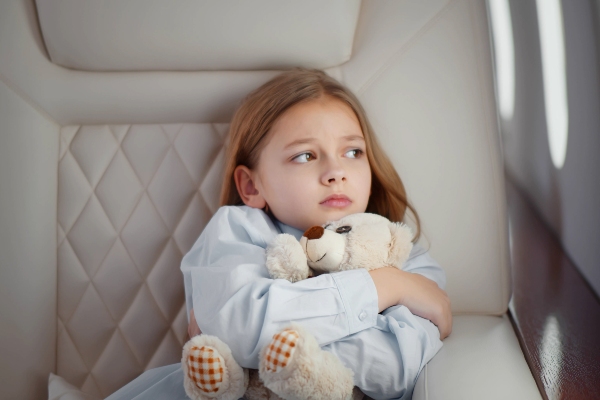
Anxiety disorders can affect children and adults alike, although they manifest in different ways. The all-consuming nature of an anxiety disorder can make school unbearable and result in a difficult social life. Parents can find relief knowing that it is possible to treat anxiety disorders in children, helping them enjoy a fun, joyful childhood.
Understanding anxiety disorders in children
Children can develop a range of anxiety disorders, from generalized anxiety disorder to social anxiety disorder, panic disorder, and phobias. According to the Centers for Disease Control and Prevention, 9.4% of children aged 3-17 years (close to 5.8 million) had been diagnosed with anxiety between 2016 to 2019.
Still, it can be difficult for parents to tell whether their child has an anxiety disorder or is simply going through a phase. To help parents tell the difference, here are the most common signs and symptoms of childhood anxiety disorders:
- Fidgety and tense
- Not wanting to eat
- Trouble paying attention or focusing
- Seems very clingy or overly shy
- Frequent crying that is not age appropriate
- Has angry or emotional outbursts
- Has trouble sleeping, such as due to nightmares
- Wanting to miss school (such as if they frequently fake being sick)
What causes anxiety in children?
The general consensus is that a combination of genetic and environmental factors leads to the development of anxiety disorders. Parents should not feel guilty if their child has developed an anxiety disorder, even if the parents have anxiety themselves. Some people are predisposed to anxiety. If a predisposed child experiences something traumatic, is bullied or ridiculed, or is under a lot of stress at school, they may be more likely to develop an anxiety disorder.
Treatment for childhood anxiety disorders
There are many treatment options for childhood anxiety disorders. Therapy, counseling, and anxiety medicine or antidepressants can work together to help a child manage their symptoms. Learning how to manage symptoms instead of avoiding situations that trigger them can build a child’s tolerance for their triggers; this gives them power over their disorder. Typically, this means they can reach a point where their anxiety disorder does not negatively impact their life.
Therapy
Therapy can give a child the tools they need to understand and manage their symptoms. A common type of therapy used for children with anxiety disorders is cognitive behavioral therapy (CBT), which teaches children more helpful thought patterns to replace negative ones. Other types of psychotherapy are available, such as exposure therapy.
Medication
Three main medication-based psychiatric treatments for childhood anxiety disorders are antidepressants, anti-anxiety medication, and beta-blockers. Antidepressants can be used for the long term, which makes them a good option for children with more severe disorders. This does not mean a child will always need to take antidepressants, but it can help make their symptoms more bearable as they go through therapy. Anti-anxiety medication (benzodiazepines) and beta-blockers are intended for infrequent use. A child would only need to use these when they expect to face a triggering event, such as if they have to give a presentation for school.
Counseling
Counseling can help a child make sense of their anxiety disorder. It can also teach them the tools they need to manage anxiety and panic attacks and identify triggers. This can be particularly helpful while a child waits to start psychotherapy or for their medication to yield results.
Speak to a psychiatrist
It is recommended to consult a psychiatrist if your child is struggling with anxiety. Treating an anxiety disorder in the developmental years can result in a more fulfilling childhood, adolescence, and adulthood. It can even prevent the need for mental health treatment later in life. Call our office to learn more about how to treat anxiety disorders in children.
Request an appointment or call Future Psych Ketamine Clinics at 843-788-9718 for an appointment in our Myrtle Beach office.
Related Posts
An anxiety disorder is not something to try and tough out, but a serious mental health condition that needs treatment from a healthcare professional. Experiencing constant anxiety takes its toll on a person’s job, family life, and health. Therefore if you are experiencing daily anxiety that is interfering with your relationships and day-to-day life, you…
Treating an anxiety disorder starts with getting the right diagnosis. However, diagnosing these disorders can be challenging. Therefore, it is crucial to see a professional with the tools and experience needed to identify anxiety disorders and aid people in getting the help they need.A psychiatrist is a mental health professional and a medical doctor. They…
Anxiety disorders and depression are two of the most prevalent mental health conditions worldwide. While they are distinct diagnoses, research has shown a strong yet complex link between them, often co-occurring in individuals. Understanding the relationship between anxiety disorder and depression is crucial for effective diagnosis.Anxiety disorder is a blanket term for the many different…