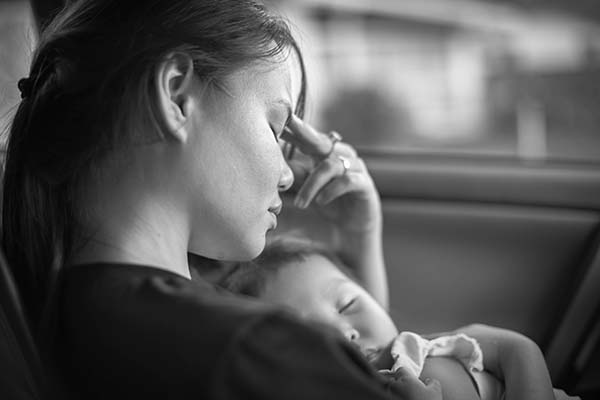
Welcoming home a new baby is an exciting milestone. However, changes in the body continue after delivery. Postpartum depression, or “PPD,” may arise within the first year of birth. Marked by overwhelming anxiety, sadness, hopelessness, or mood swings, PPD can make it difficult to navigate parenthood. If you or someone you love struggles with PPD, professional treatment is available.
What is postpartum depression?
Postpartum depression is a serious mental health condition that affects about one in seven new parents, according to a 2022 study published by StatPearls. Having a baby brings many changes, from hormonal and emotional changes to social changes, that may kickstart PPD. Note that, just like biological parents, adoptive and surrogate parents may also develop PPD.
PPD can negatively impact the relationship between the child and the affected parent, exacerbating the symptoms. For instance, parents with PPD may feel anxious around or disinterested in their baby. They may wish they never had the baby or even have thoughts of hurting the baby (although they would never actually hurt them). Keep an eye out for other common signs and symptoms of PPD:
- Sadness and hopelessness
- Feelings of guilt
- Excessive anxiety
- Changes in eating
- Trouble sleeping
- Trouble concentrating
- Lack of interest in hobbies
- Suicidal thoughts or ideation
- Crying spells that start out of nowhere
Baby blues
Postpartum blues, or “baby blues,” are not the same as postpartum depression. Baby blues are a period of sadness, anxiety, insomnia, and crying spells for no real reason. Changes in eating and sleeping can also be expected. Although these symptoms are similar to those of PPD, they will be less severe and go away independently (without treatment) after two weeks. Symptoms tend to start about four days after delivery.
Support from loved ones can make baby blues more bearable. Childbirth is magical but grueling — there is no need to feel guilty over asking for help. If baby blues persist for more than two weeks or symptoms worsen, consult a professional.
Treatments for postpartum depression
It is recommended to consult a therapist and psychiatrist for postpartum depression. There are a variety of treatment options, some of which may be combined (such as therapy and certain medications). Support groups may also provide relief. Take a closer look at common treatment options for PPD below.
Therapy
The most common treatment for PPD is talk therapy, or “psychotherapy.” Typically, psychotherapy for PPD focuses on coping with feelings in healthier ways and setting realistic goals. Cognitive behavioral therapy, known as “CBT” for short, is one of the most used types of therapy for PPD, as it helps clients learn these skills. CBT is also used to treat a range of other mental health conditions.
Medication
Prescription medication can make it easier to manage the symptoms of postpartum depression. Most clients stay on medication for about six months to one year. Antidepressants are the most commonly prescribed medication for PPD. However, antianxiety medications are often recommended if PPD causes anxiety and trouble sleeping.
Whether the parent with PPD is breastfeeding will need to be taken into consideration when choosing a medication. A psychiatrist can discuss different antidepressants and antianxiety medications that should not interfere with breastfeeding. Selective serotonin reuptake inhibitors (SSRIs), a common antidepressant and antianxiety medication, are time-tested options that work for many.
Combination therapy
Combination therapy is when more than one method of treatment is used to help the client. Often, this looks like therapy and medication; it can also mean multiple medications or group therapy and one-on-one therapy.
Combining medication and therapy is an effective way to treat PPD. Once the medication reduces the symptoms, the client will be better equipped to learn to manage them in therapy. The idea is that the client will be able to stop medication eventually, as they will have the tools under their belt to manage a recurrence of symptoms.
Support group
Joining a support group can greatly help with postpartum depression. Meeting others who share the same experience provides emotional validation and fosters community, which in turn helps combat those feelings of loneliness that come with PPD. Group members can learn from each other about various treatments and hear success stories. Support groups are also an affordable group therapy option — many of them are low-cost or free to attend.
Find relief from postpartum depression
Postpartum depression is difficult but common. There is no shame in experiencing its symptoms; however, new parents deserve relief from these symptoms. Call our office to learn more about PPD treatment.
Request an appointment here: https://mb.futurepsychsolutions.com or call Future Psych Ketamine Clinics at (843) 788-9718 for an appointment in our Myrtle Beach office.
Check out what others are saying about our services on Yelp: Postpartum Depression in Myrtle Beach, SC.
Related Posts
The idea of seeing a psychiatrist may seem overwhelming for someone just starting their mental health journey. However, seeing a psychiatrist will help you clarify the possibility of diagnosing various conditions--including schizophrenia.Schizophrenia is a severe mental health disorder that affects a person’s perception of reality. Although it is a rare condition, it may impair daily…
Mental health therapy can help you if you are struggling with a mental health problem. A psychiatrist can help evaluate your case and determine which treatments you can have. If you want to know some common reasons for undergoing mental health therapy, here are the details.Life changes can be dramatic. The stress can be overwhelming…
Modern psychedelic therapy can offer a new path for patients who feel stuck in a mental rut. It can be frustrating to keep feeling disconnected, emotionally flat, or unable to make progress despite going to therapy, trying medication, and making a strong personal effort. In a psychiatric setting, this treatment enters the conversation carefully, with…
The mental health process of overcoming grief and loss is different for each person. Read on to learn more about the grieving process. Sadness can reach severe levels during grieving. Guilt and anger can even accompany this feeling. The toll of a great loss is huge. Understanding it can make your recovery easier.Feelings that occur…