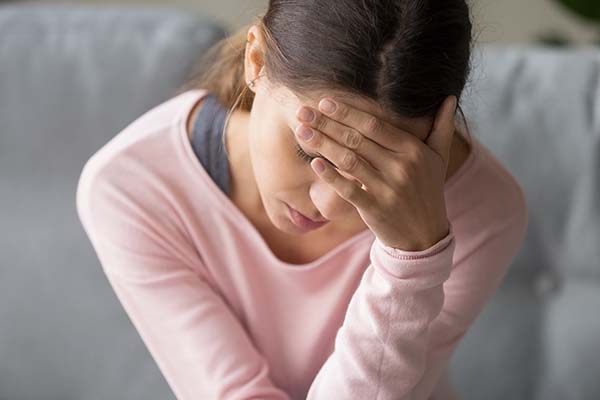
Anxiety disorders affect millions of Americans of all ages each year. The good news is there are effective treatment options available for patients who are battling symptoms of an anxiety disorder. This review discusses the types of treatments a psychiatrist may offer for anxiety disorder and the benefits each treatment option provides.
How a psychiatrist can treat anxiety disorders
Several common treatment methods a psychiatrist may utilize with patients that have an anxiety disorder include psychotherapy, anti-anxiety medication, lifestyle changes, support groups, dietary changes, and an improved sleep schedule. The following is a closer look at each treatment method and how each one works.
Psychotherapy
Psychotherapy is a relatively broad treatment term that includes a range of possible services. Among the most notable types of psychotherapy that are utilized for patients who have anxiety disorder are:
- Cognitive-behavioral therapy (CBT)
- Family therapy
- Interpersonal psychotherapy
- Dialectical behavioral therapy
Cognitive-behavioral therapy is the most common type of psychotherapy for anxiety disorders. It involves teaching skills to improve symptoms and avoid anxiety during daily life. It may involve exposing the patient to triggers gradually and allowing them to build a tolerance for them to reduce the anxiety that is experienced by the trigger.
Medication
There are also medications available for anxiety disorders. They may be utilized as the primary treatment method or along with cognitive behavioral therapy and other forms of psychotherapy. The most common types of effective medications for anxiety disorders include:
- Anti-anxiety medication
- Antidepressants
- Beta-blockers
- Sedatives
Certain stronger medications such as beta-blockers and sedatives are typically only used on a short-term basis and are rarely prescribed. However, antidepressants and anti-anxiety medications are more commonly prescribed for long-term use for patients that are diagnosed with an anxiety disorder.
Lifestyle changes
Patients with an anxiety disorder typically have triggers that may lead to the anxiety becoming worse. It is important not to avoid these triggers altogether but to instead learn how to be around possible triggers and not feel as anxious. Therefore, treatment may involve lifestyle changes to help the patient slowly adjust to situations that may have in the past led to severe anxiety.
Anxiety support groups
Support groups are a type of psychotherapy in which individuals who have an anxiety disorder can gather together to discuss their experiences and situations and share helpful insights. Many patients find useful coping mechanisms and feel better through support groups as they start to realize they are not alone.
Healthy eating and sleep
A symptom of anxiety disorder is an inability to sleep. Sleep and a healthy diet are important to treat the condition in the most effective manner possible. During treatment, the psychiatrist may implement recommended dietary changes and help the patient learn to sleep better each night.
When to consider a psychiatrist for anxiety disorders
Symptoms of anxiety disorders can become serious. The most common symptoms include excessive worry, racing thoughts, fatigue, and heart palpitations. The good news is treatment from a psychiatrist is often able to alleviate the symptoms of anxiety disorders.
Excessive worry
One of the most common symptoms of an anxiety disorder is excessive worry or fear. This fear is often irrational. For example, someone with an anxiety disorder may develop excessive worry when they are not able to find their keys and are running late. Many other individuals with an anxiety disorder may have severe anxiety for seemingly no reason at all.
Racing thoughts
Individuals with an anxiety disorder often experience a number of thoughts all at once that can lead to them feeling overwhelmed. This overwhelmed feeling due to racing thoughts often contributes to the severity of other symptoms as well.
Fatigue
Living with an untreated anxiety disorder can become exhausting. Subsequently, many with the condition feel excessive fatigue throughout each day. This can impact their ability to function as they desire and lead to other symptoms such as irritability and damaged relationships.
Heart palpitations
Palpitations are feelings of a fast heartbeat or pounding heart. This often occurs in individuals that have severe anxiety. Palpitations are often accompanied by hyperventilating and excessive worry, particularly during situations that should not cause an excessive amount of worry or palpitations (e.g. giving an important work or school presentation).
Find relief from your anxiety
No one should have to live each day afraid of triggers that may lead to anxiety. If you experience symptoms of anxiety disorder, then call our psychiatrist team today to find out more about treatment options and to determine which solution is right for you.
Get more information here: https://mb.futurepsychsolutions.com or call Future Psych Ketamine Clinics at (843) 788-9718
Check out what others are saying about our services on Yelp: Anxiety Disorders in Myrtle Beach, SC.
Related Posts
The idea of seeing a psychiatrist may seem overwhelming for someone just starting their mental health journey. However, seeing a psychiatrist will help you clarify the possibility of diagnosing various conditions--including schizophrenia.Schizophrenia is a severe mental health disorder that affects a person’s perception of reality. Although it is a rare condition, it may impair daily…
Mental health therapy can help you if you are struggling with a mental health problem. A psychiatrist can help evaluate your case and determine which treatments you can have. If you want to know some common reasons for undergoing mental health therapy, here are the details.Life changes can be dramatic. The stress can be overwhelming…
Modern psychedelic therapy can offer a new path for patients who feel stuck in a mental rut. It can be frustrating to keep feeling disconnected, emotionally flat, or unable to make progress despite going to therapy, trying medication, and making a strong personal effort. In a psychiatric setting, this treatment enters the conversation carefully, with…
The mental health process of overcoming grief and loss is different for each person. Read on to learn more about the grieving process. Sadness can reach severe levels during grieving. Guilt and anger can even accompany this feeling. The toll of a great loss is huge. Understanding it can make your recovery easier.Feelings that occur…