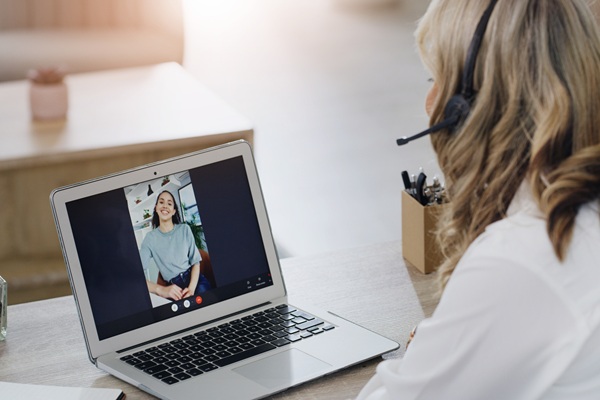
Online therapy can improve access to mental health care when work, scheduling, or local provider shortages interfere with consistent treatment. A psychiatrist may recommend virtual therapy to support symptom relief, strengthen coping skills, and maintain continuity between appointments. Many concerns respond well to structured, evidence-based psychotherapy delivered through secure video platforms. The best recommendation considers diagnosis, symptom severity, safety, and the level of clinical support required.
How online therapy fits within psychiatric care
Psychiatrists evaluate mental health conditions, rule out medical contributors, and build treatment plans that may include therapy, medication, or both. Online therapy typically involves psychotherapy provided by a licensed clinician using a secure telehealth system. This format can work well for skills-based approaches, including cognitive behavioral therapy, exposure-based therapy, and other structured interventions that focus on patterns of thought, behavior, and emotional regulation.
Online therapy can also complement medication management. Psychiatric follow-ups often occur every few weeks, while therapy sessions may occur weekly. That frequency can help patients practice new strategies, identify triggers sooner, and improve adherence to treatment goals. With appropriate coordination and consent, the therapist and psychiatrist can align on symptom tracking, functional progress, and any obstacles requiring adjustments.
Clinical situations that often support a teletherapy recommendation
A psychiatrist typically recommends online therapy when symptoms remain mild to moderate, engagement remains reliable, and the home environment supports privacy. Virtual sessions can improve consistency, which often improves outcomes. Teletherapy can also reduce barriers that commonly disrupt care, including commute time, childcare responsibilities, and mobility challenges.
Common situations that support a teletherapy recommendation include:
- Anxiety or depressive symptoms that benefit from weekly skills practice and structured coaching
- A stable treatment plan that needs reinforcement between psychiatric appointments
- Time constraints from work, school, or caregiving that limit in-person attendance
- Limited local access to specialized therapy, including trauma-focused or exposure-based care
- Medical conditions or transportation limits that complicate travel to an office
This recommendation reflects fit, not convenience alone. A psychiatrist weighs whether remote therapy can meet clinical needs without compromising safety or therapeutic quality.
When consistency and access become the primary barrier
Many patients improve when treatment is scheduled regularly. Missed sessions can prolong symptoms and increase the risk of relapse, especially during periods of high stress. A psychiatrist may recommend online therapy when missed appointments arise due to distance, unreliable transportation, or competing responsibilities. Virtual sessions may remove enough friction to enable steady participation, supporting gradual, sustainable improvement.
Online therapy can also shorten wait times in areas with limited mental health resources. In some regions, in-person providers maintain long waitlists or operate only during standard work hours. Teletherapy can widen the pool of available clinicians and increase the likelihood of matching with a therapist who has experience with a specific diagnosis or evidence-based approach.
Diagnoses and symptom patterns that often respond well online
Online therapy commonly supports many presentations, particularly when goals involve skill acquisition and behavioral change. Anxiety disorders, panic symptoms, phobias, and stress-related concerns often respond well to structured treatment delivered through video sessions. Depressive symptoms may improve through behavioral activation strategies, cognitive reframing, and routine building, which can translate effectively to remote sessions.
Teletherapy can also help during life transitions, including grief, relationship changes, postpartum adjustment, academic stress, or workplace strain. In these cases, therapy may focus on sleep stabilization, communication strategies, problem-solving, and the reduction of avoidance behaviors. A psychiatrist may also recommend online therapy for patients who experience strong anticipatory anxiety about entering a clinic, since a familiar setting can reduce initial barriers and support engagement.
What a psychiatrist assesses before recommending teletherapy
A psychiatrist evaluates readiness for online therapy by reviewing clinical stability, environment, and logistics. Privacy matters because limited confidentiality can reduce disclosure and weaken therapeutic progress. Reliable technology matters because repeated disruptions can fragment sessions and reduce momentum. The home environment also matters because distractions, family conflict, or frequent interruptions can interfere with focus.
Several clinical questions guide the recommendation:
- Does the symptom profile fit outpatient therapy without intensive monitoring?
- Can sessions occur in a private space with minimal interruptions?
- Does the patient have reliable internet and a device that supports video visits?
- Can the patient engage in between-session practice, tracking, or homework tasks?
- Does the treatment plan require coordination between therapist and psychiatrist?
When the answers support stability and feasibility, online therapy may provide a strong pathway for progress.
See if you qualify today
A psychiatrist would recommend online therapy when the clinical picture supports outpatient care, consistent access improves follow-through, and a private, reliable setting allows effective treatment. Teletherapy often fits well for mild to moderate anxiety, depression, and stress-related conditions, as well as transitional challenges that benefit from skills-based support. Safety, stability, and level of care requirements guide the recommendation more than convenience. When those factors align, online therapy can become an effective part of a comprehensive psychiatric treatment plan. For more information or to schedule an appointment, call our office.
To schedule a consultation, please request an appointment on our website at https://mb.futurepsychsolutions.com or call Future Psych Ketamine Clinics at (843) 788-9718 to arrange an appointment at our Myrtle Beach office.
Check out what others are saying about our services on Yelp: Online Therapy in Myrtle Beach, SC.
Related Posts
Psychotherapy and medication can be combined for mental health treatment, and this combination is often more effective than medication or therapy on its own. Mental health treatment often involves a combination of medication and therapy, and this combination is often the most effective form of treatment.Although many people think that psychotherapy and psychiatry are the…
The idea of seeing a psychiatrist may seem overwhelming for someone just starting their mental health journey. However, seeing a psychiatrist will help you clarify the possibility of diagnosing various conditions--including schizophrenia.Schizophrenia is a severe mental health disorder that affects a person’s perception of reality. Although it is a rare condition, it may impair daily…
Mental health therapy can help you if you are struggling with a mental health problem. A psychiatrist can help evaluate your case and determine which treatments you can have. If you want to know some common reasons for undergoing mental health therapy, here are the details.Life changes can be dramatic. The stress can be overwhelming…
Modern psychedelic therapy can offer a new path for patients who feel stuck in a mental rut. It can be frustrating to keep feeling disconnected, emotionally flat, or unable to make progress despite going to therapy, trying medication, and making a strong personal effort. In a psychiatric setting, this treatment enters the conversation carefully, with…